
The Uncharted Territory of Living with an Experimental Brain Implant
What It’s Like to Live with an Experimental Brain Implant
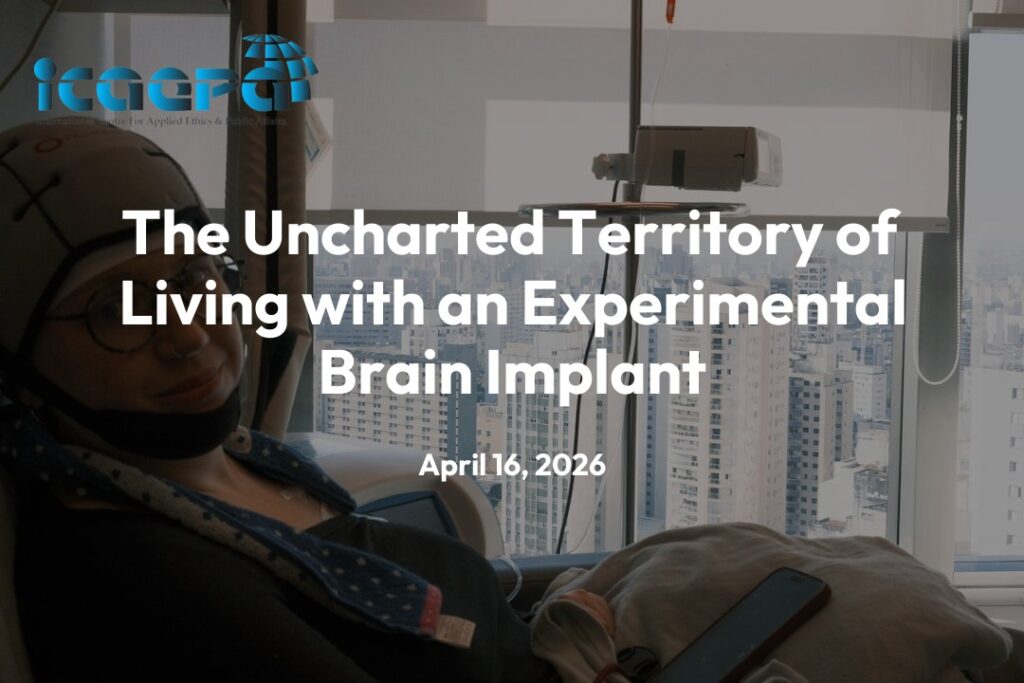
Imagine being one of the select few who have ventured into the uncharted territory of brain-computer interfaces (BCIs). For individuals like Imbrie, living with an experimental brain implant is a reality that brings both hope and challenges. As the medical technology industry inches closer to making BCIs a mainstream treatment option for millions of people with paralysis and other neurological conditions, the experiences of early adopters are shedding light on the benefits and drawbacks of this innovative technology.
The Current State of Brain-Computer Interfaces
To date, only a handful of people have received advanced brain-computer interfaces, with more individuals having gone to space than have undergone BCI implantation. However, with a growing number of companies investing in this technology, the landscape is poised to shift. Some companies envision a future where BCIs are not only a medical treatment but also a consumer technology, revolutionizing the way humans interact with machines.
The Pioneers Paving the Way
Imbrie, a member of the BCI Pioneers Coalition, is among those pioneering the use of BCIs. This advocacy group, founded in 2018 by Ian Burkhart—the first quadriplegic to regain hand movement using a brain implant—serves as a vital resource for individuals navigating the complexities of BCI technology. Through their experiences, we gain a deeper understanding of what it means to live with a brain-computer interface and the potential impact on daily life.
A Future of Possibilities and Questions
As BCIs edge closer to becoming a standard medical treatment, it’s essential to consider the experiences of those who have already undergone implantation. Their stories raise important questions about the ethics, risks, and benefits associated with this technology. What does it mean to merge human and machine in such a profound way, and are we prepared for the consequences?
Will the benefits of BCIs outweigh the risks, and what will be the implications for society as a whole?