This analysis is based on an article originally published by The Guardian.
Understanding the Civilian Death Rate in the Gaza Conflict
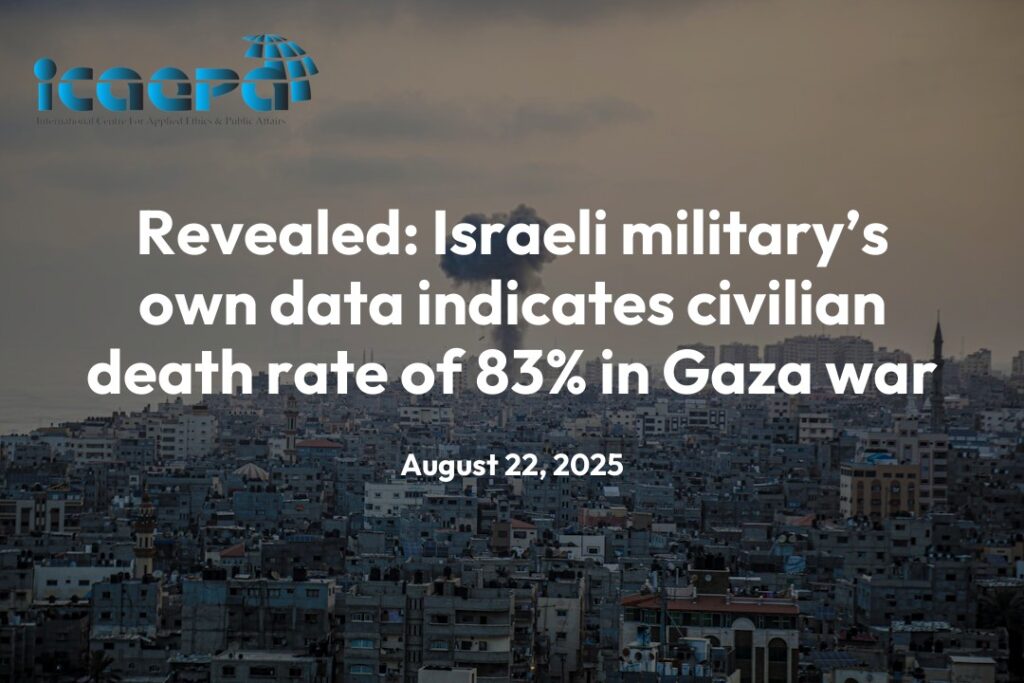
The recent disclosure from a classified Israeli military intelligence database reveals a staggering statistic: five out of six Palestinians killed during military operations in Gaza are identified as civilians. This figure presents a civilian death rate of 83%, a statistic that is not only alarming but also raises profound ethical concerns regarding the conduct of warfare and the principles of proportionality and distinction in armed conflict.
The Ethical Implications of Civilian Casualties
In the realm of international humanitarian law, the principle of distinction mandates that combatants must always distinguish between military targets and civilians. The high rate of civilian casualties in Gaza calls into question the adherence to this principle. It underscores the ethical duty of military forces to ensure that their operations do not unduly endanger civilian lives. The question arises: how can military strategies be justified when they result in such disproportionate harm to non-combatants?
Moreover, the implications extend beyond legal frameworks into moral territory. The loss of civilian life in conflicts often leads to long-term psychological, social, and economic repercussions for affected communities. This raises ethical inquiries about the responsibilities of both military commanders and policymakers in mitigating civilian harm during conflicts.
Public Affairs and the Perception of Military Actions
The public perception of military actions is heavily influenced by the reported statistics on civilian casualties. An 83% civilian death rate can lead to significant backlash against military operations, both domestically and internationally. For policymakers, this statistic not only complicates diplomatic relations but also affects national security perceptions and public support for military actions.
In addition, the role of media in shaping narratives around civilian casualties cannot be understated. Reports highlighting high civilian death rates can galvanize public opinion and prompt calls for accountability and reform. Policymakers must navigate these narratives carefully, ensuring that military actions align with ethical standards while addressing public concerns.
Conclusion: A Call for Ethical Military Conduct
The disclosure of the civilian death rate in the Gaza conflict serves as a critical reminder of the ethical responsibilities inherent in military operations. It compels military leaders and policymakers to reflect on their strategies and the necessity of prioritizing civilian protection. As the international community grapples with the implications of these findings, there is an urgent need for dialogue and reform in military practices to uphold the principles of humanity even amidst conflict.
In light of the ongoing discussions about military ethics and civilian safety, it is imperative that future military actions are conducted with heightened scrutiny and accountability, ensuring that the tragic loss of civilian life is minimized and that ethical considerations remain at the forefront of military strategy.