
This analysis is based on an article originally published by Wall Street Journal.
Gaza Famine: An Ethical and Humanitarian Crisis
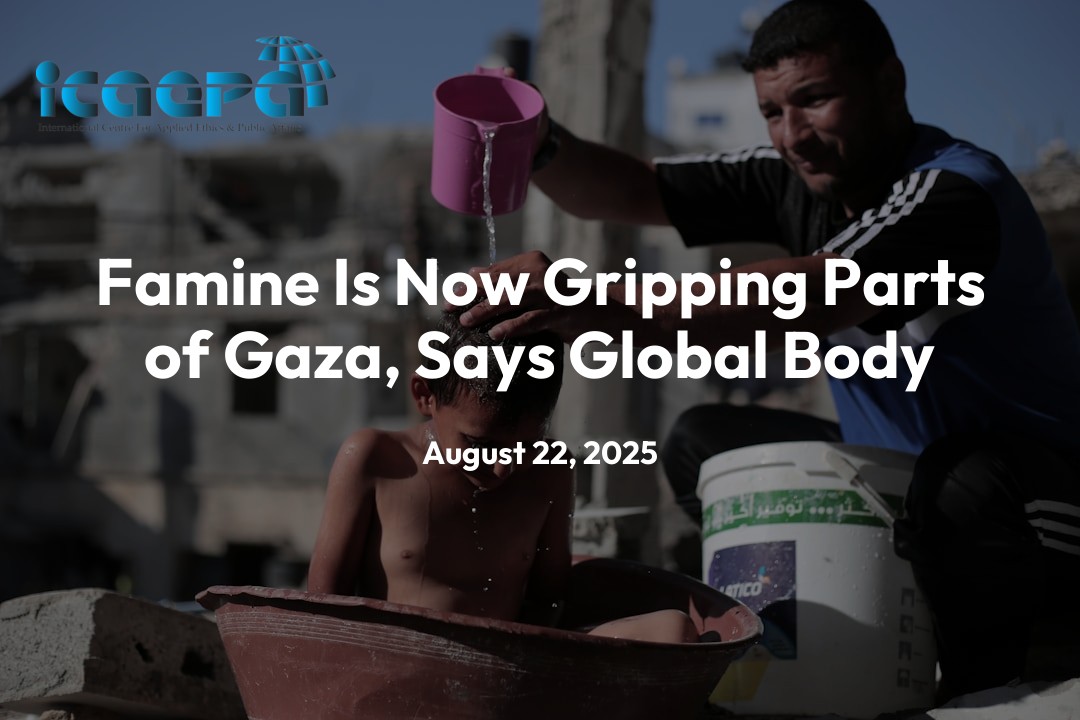
The recent declaration by the Integrated Food Security Phase Classification (IPC) that a famine has taken hold around Gaza City marks a pivotal moment in the assessment of food security in the Middle East. This designation, the first of its kind in the region, underscores not only the immediate humanitarian challenges but also the profound ethical implications that arise within the context of international public policy and the responsibilities of state actors.
Understanding the Famine Declaration
The IPC, a globally recognized body that evaluates famine conditions, has consistently highlighted issues of hunger and malnutrition in Gaza. However, the recent classification of the situation as a famine indicates an alarming escalation. The severity of food shortages in and around Gaza City has reached a critical point, necessitating urgent and comprehensive intervention. This classification is not merely a statistical exercise; it carries significant weight in shaping both domestic and international responses to the crisis.
The Ethical Dimensions of Food Security
The implications of this famine extend beyond immediate humanitarian concerns. The ethical responsibilities of various stakeholders—including local authorities, international organizations, and foreign governments—are brought to the forefront. As the situation deteriorates, questions arise regarding the adequacy and appropriateness of responses from the Israeli government, particularly in light of the ongoing conflict and its impact on civilian populations.
Additionally, the role of international aid organizations becomes critical in addressing the needs of the affected population. The complexities of delivering aid in a war-torn region pose significant ethical dilemmas, including the potential for aid to be weaponized or misappropriated. It is imperative that aid efforts are conducted transparently and equitably, ensuring that support reaches those most in need without exacerbating existing tensions.
Public Policy and Humanitarian Obligations
Policymakers must grapple with the urgent need for effective strategies to alleviate famine conditions while fostering a sustainable framework for future food security. This involves not only immediate relief measures but also long-term solutions that address the underlying causes of food insecurity in Gaza. The intersection of humanitarian aid and political action necessitates a careful balancing act that respects the dignity and rights of affected populations.
Conclusion
The designation of a famine in Gaza City serves as a stark reminder of the fragility of food security in conflict zones and the profound ethical responsibilities that accompany such crises. As the international community responds, it must do so with a commitment to uphold human rights, ensure equitable access to resources, and engage in meaningful dialogue that prioritizes the well-being of affected individuals. The situation in Gaza requires not only immediate humanitarian intervention but also a critical reflection on the broader implications of food security policies in times of conflict.