
This analysis is based on an article originally published by Wired.
Innovative Insights into Human Embryo Implantation
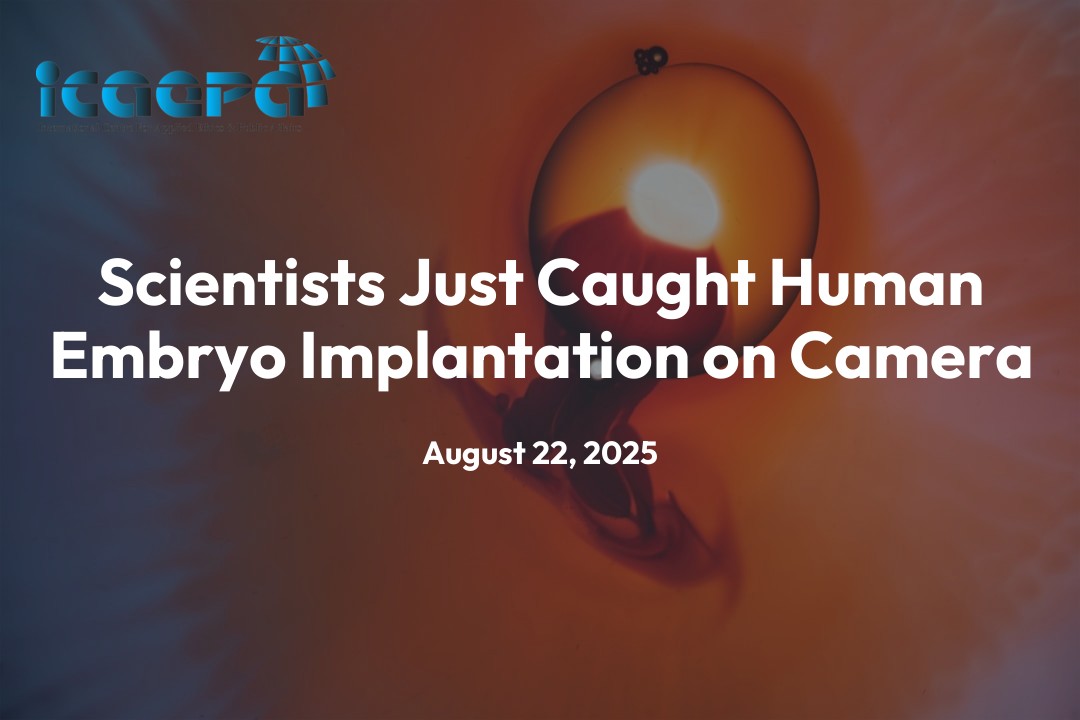
Recent advancements in reproductive science have culminated in a groundbreaking achievement by researchers at the Institute for Bioengineering of Catalonia (IBEC) in Spain, where they successfully recorded in real time, using 3D imaging, the implantation of a human embryo within an artificial uterus. This pivotal moment not only marks a significant milestone in the field of assisted reproduction but also opens up a myriad of ethical and practical implications for the future of fertility treatments.
The Significance of Real-Time 3D Visualization
The ability to visualize the implantation process as it occurs provides unprecedented insight into a critical phase of human development. Traditionally, the mechanisms underlying embryo implantation have remained elusive, with many cases of implantation failure leading to infertility and miscarriage. Understanding the intricacies of this process could potentially lead to enhanced methods for diagnosing and treating infertility.
Ethical Considerations in Assisted Reproduction
This technological advancement prompts a reassessment of the ethical frameworks surrounding reproductive medicine. As scientists delve deeper into the biological processes governing embryo implantation, they must navigate the complex ethical landscape that includes the manipulation of human embryos. Questions surrounding the moral status of embryos, consent in reproductive technologies, and the implications of potential genetic interventions arise. It is imperative that as we advance scientifically, we simultaneously address these ethical challenges to ensure responsible application of such technologies.
Implications for Fertility Treatments
The implications of this research extend beyond mere observation; they suggest a future where infertility treatments could be tailored more precisely to individual patients. By identifying the specific factors that contribute to successful implantation, clinicians may develop targeted therapies that can significantly improve the success rates of assisted reproductive technologies. This could lead to a reduction in the emotional and financial burdens faced by individuals undergoing fertility treatments.
Conclusion: A Step Forward in Reproductive Ethics
While the ability to capture the moment of embryo implantation represents a significant scientific breakthrough, it is essential that the ethical ramifications of these advancements are thoroughly considered. As the field of reproductive medicine continues to evolve, the integration of ethical discourse with scientific inquiry will be crucial in ensuring that progress benefits society as a whole. The findings from IBEC serve not only as a beacon of hope for those facing infertility but also as a reminder of our responsibilities as stewards of new reproductive technologies.