
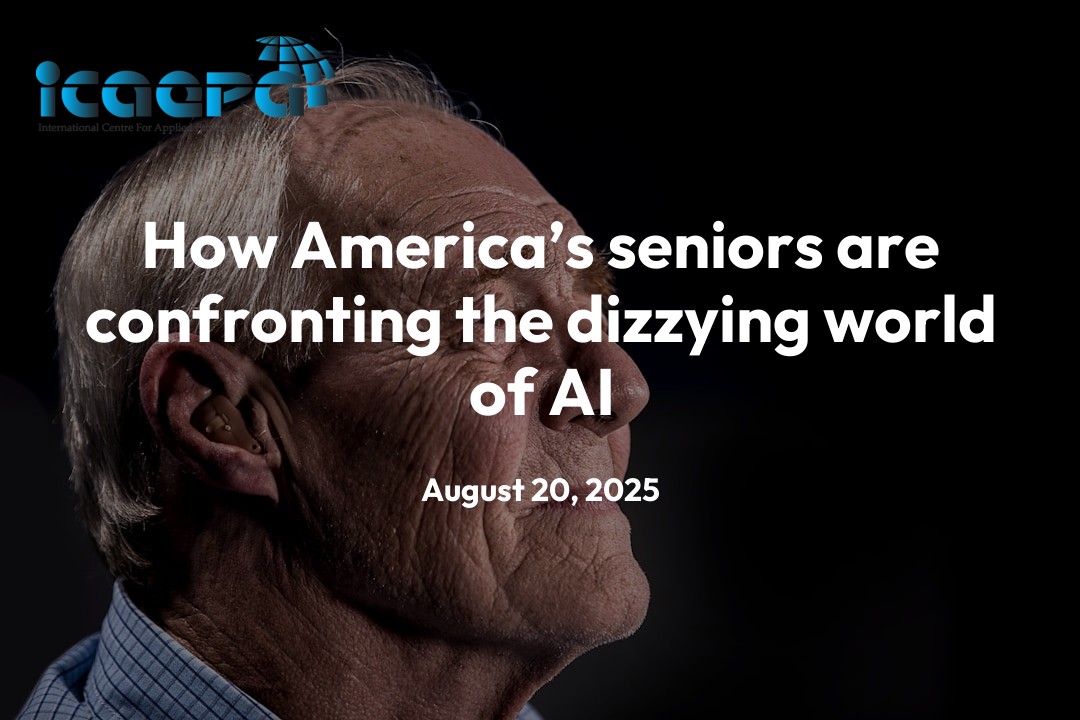
This analysis is based on an article originally published by Washington Post.
AI Education for Seniors: Navigating the New Digital Landscape
In recent years, the rapid evolution of technology has introduced new challenges and opportunities, particularly for America’s senior population. As they transition from traditional forms of communication and information retrieval to a landscape dominated by artificial intelligence (AI), it is vital to examine the ethical implications and public affairs dimensions of their education in this area.
Understanding Generative AI and Its Implications
Generative AI, which encompasses technologies capable of creating images, text, and more, presents a double-edged sword. On one hand, it offers exciting possibilities for creativity and efficiency; on the other, it presents significant risks. Seniors, who have witnessed technological changes throughout their lives, must now grapple with the complexities of AI-generated content. In educational settings, such as tech classes, they are learning about the potential for AI to generate images and the associated risks of scams and deepfakes. This knowledge is critical, as the proliferation of misinformation can disproportionately affect vulnerable populations, including older adults.
AI Scams and Deepfakes: A Growing Concern
The increase in AI-driven scams is alarming. Seniors are prime targets for these fraudulent schemes due to their varying levels of digital literacy. Classes that teach about the risks of AI scams and deepfakes are essential in empowering this demographic. By educating seniors on how to identify and avoid these threats, we can help protect them from financial loss and emotional distress. Furthermore, understanding the mechanics behind these technologies fosters a sense of agency among seniors, enabling them to navigate the digital world more confidently.
The Role of Educational Institutions
Educational institutions play a pivotal role in the ethical responsibility of equipping seniors with the necessary skills to comprehend and utilize AI technologies. Such initiatives should not only focus on technical skills but also address the ethical considerations of using AI. For instance, discussions around privacy, consent, and the implications of AI-generated content must be integral to the curriculum. By fostering an environment of critical thinking and ethical reflection, we can prepare seniors to engage with AI in a manner that respects their rights and enhances their quality of life.
Finding Personal Uses for AI
Interestingly, as seniors learn about AI through classes, they are also discovering personal applications for these technologies. Tools like ChatGPT are being explored for various purposes, from enhancing communication with family to assisting in daily tasks. This engagement represents not only an adaptation to new technology but also a reclaiming of agency in an increasingly digital world. By leveraging AI for personal benefit, seniors can remain active participants in societal discourse and community life.
Conclusion
The journey of America’s seniors into the world of AI is not merely about technological adaptation but also about understanding the ethical implications that arise from these advancements. As educational institutions continue to innovate and adapt their curricula, the focus must remain on fostering a comprehensive understanding of both the benefits and risks associated with AI. By doing so, we ensure that seniors are not only consumers of technology but informed and empowered individuals capable of navigating the complexities of the modern digital landscape.