
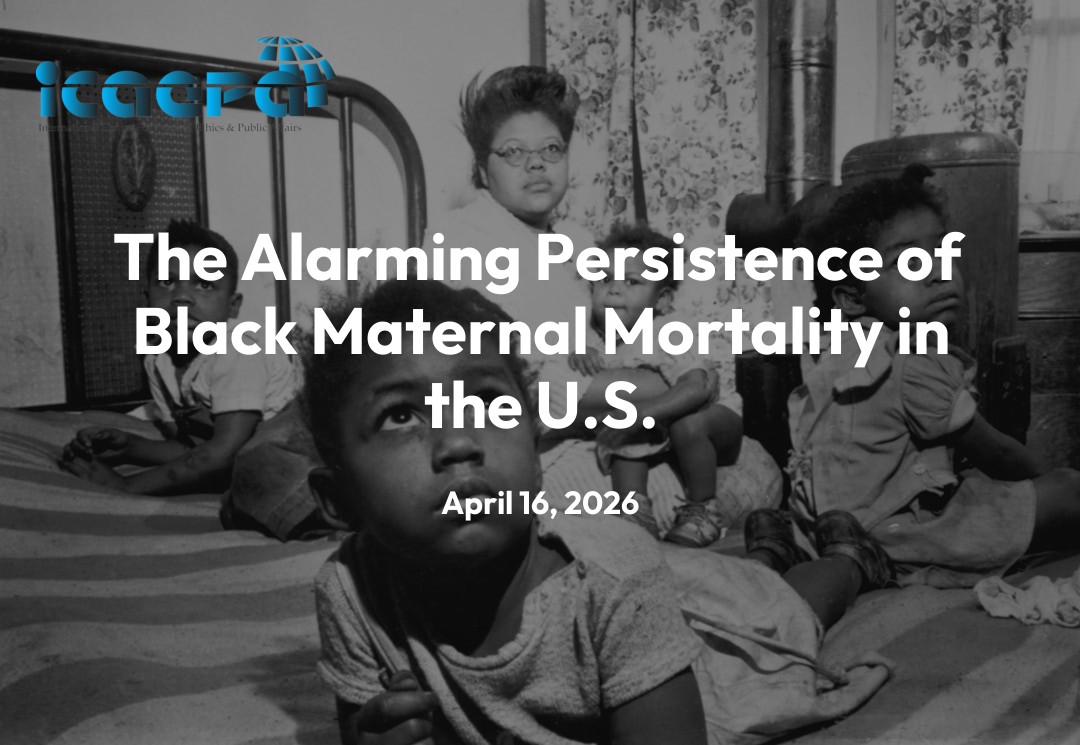
The Alarming Persistence of Black Maternal Mortality in the U.S.
A recent report by the Centers for Disease Control and Prevention (CDC) has brought to light a disturbing and persistent health disparity in the United States: Black women are three times more likely than white and Hispanic women to die from pregnancy-related complications. This significant gap in maternal mortality rates highlights a critical issue that advocates and healthcare professionals have been striving to address for years.
Understanding the Scope of the Problem
The maternal mortality rate in the U.S. has been a subject of concern due to its steady increase over the past few decades. However, the disparity affecting Black women is particularly alarming. According to the CDC, the maternal mortality rate for Black women is approximately 69.9 per 100,000 live births, compared to 20.7 per 100,000 live births for white women and 23.6 per 100,000 live births for Hispanic women. These numbers underscore a systemic issue that goes beyond general healthcare access and quality.
Factors Contributing to the Disparity
Several factors contribute to the higher maternal mortality rates among Black women, including:
- Access to Healthcare: Inconsistent access to quality prenatal care and healthcare services during pregnancy can significantly impact outcomes.
- Underlying Health Conditions: Conditions such as hypertension and diabetes are more prevalent among Black women and can complicate pregnancies.
- Social Determinants: Factors such as socioeconomic status, education, and housing can indirectly affect health outcomes by influencing access to resources and quality of care.
- Implicit Bias in Healthcare: Studies have shown that implicit bias among healthcare providers can lead to differences in treatment and quality of care received.
The Impact of Current Policy and Legislative Trends
Advocates are concerned that current policy and legislative trends could exacerbate the existing disparities. The variation in abortion access across the U.S., following recent judicial and legislative changes, may disproportionately affect Black women who already face barriers to healthcare. Additionally, efforts to dismantle Diversity, Equity, and Inclusion (DEI) initiatives in healthcare and education could undermine efforts to address these disparities.
Moving Forward: A Call to Action
Addressing the Black maternal mortality gap requires a multi-faceted approach that includes policy changes, education, and community engagement. It involves not only improving access to quality healthcare but also addressing the systemic and social determinants of health that contribute to these disparities. As the U.S. continues to grapple with these challenges, it is crucial to prioritize evidence-based solutions and collaborative efforts to ensure equitable health outcomes for all.
What steps do you think are crucial for policymakers and healthcare providers to take in order to effectively address and reduce the Black maternal mortality gap in the U.S.?