
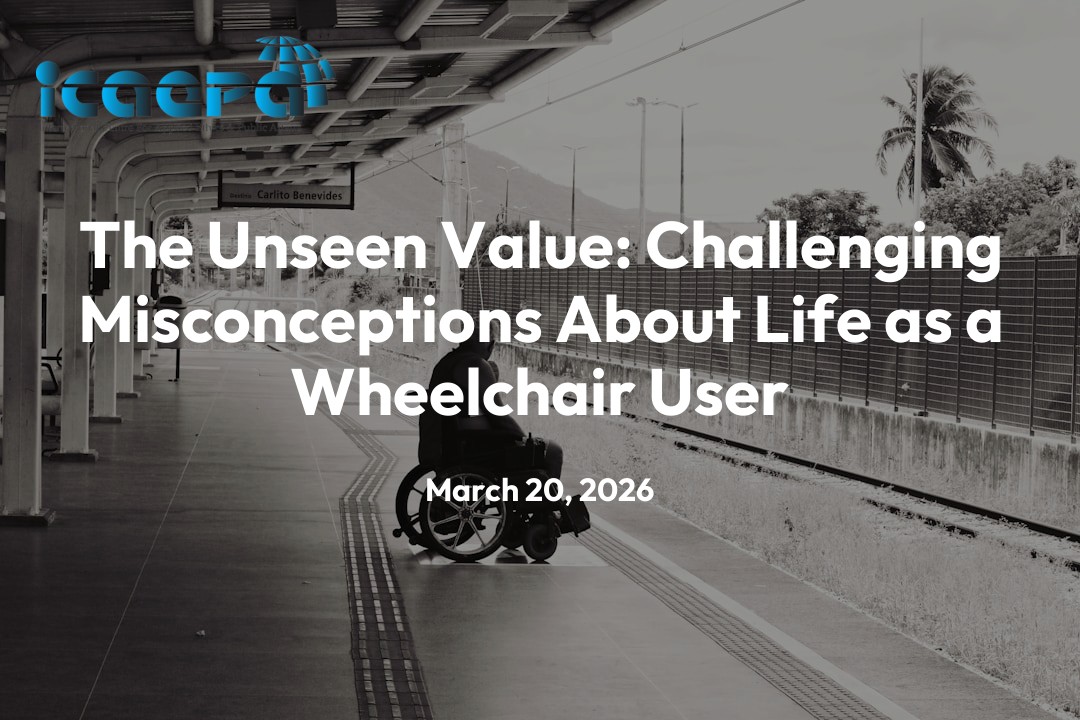
The Unseen Value: Challenging Misconceptions About Life as a Wheelchair User
As a wheelchair user, I’ve often encountered people who view my life through the lens of pity and assumption. They see my disability and immediately think of the challenges I must face, assuming that my life is one of hardship, pain, and isolation. This perspective not only underestimates my resilience but also distorts public discourse around ‘assisted dying.’
Able-Bodied Fears vs. Disabled Realities
The notion that disability equates to a poor quality of life is rooted in able-bodied fears rather than the actual experiences of disabled individuals. This misconception is dangerous as it influences public policy and personal attitudes towards disability and dying. The ‘option to end one’s life’ is often presented as a compassionate alternative to a life with disability. However, this perspective neglects the diverse experiences of people with disabilities and the value they place on their own lives.
Rethinking Compassion and Autonomy
Compassion should not be measured by the assumption that a person with a disability would be better off not living. Rather, it should be understood through the lens of autonomy, accessibility, and the right to live a life with dignity. The conversation around ‘assisted dying’ needs to shift towards understanding and addressing the systemic barriers that prevent people with disabilities from fully participating in society.
What Does It Mean to Live a Life Worth Living?
The question remains: what does it mean to live a life worth living? Is it defined by physical ability, or is it about the quality of one’s experiences, relationships, and contributions? As we consider these questions, it’s crucial to listen to the voices of people with disabilities who are best positioned to speak to the value and challenges of their lives.
Ultimately, every individual’s life has inherent value, regardless of their physical abilities. It’s time to challenge and change the narrative that equates disability with a lesser quality of life. By doing so, we can work towards a more inclusive society that values all lives.
So, we must ask ourselves: How can we foster a culture that sees and values the lives of people with disabilities not through pity or assumption, but through understanding, respect, and equal opportunity?