
This commentary is based on an article originally published by Bioethics Pundit.
Understanding the Ethical Implications of AI in Mental Health
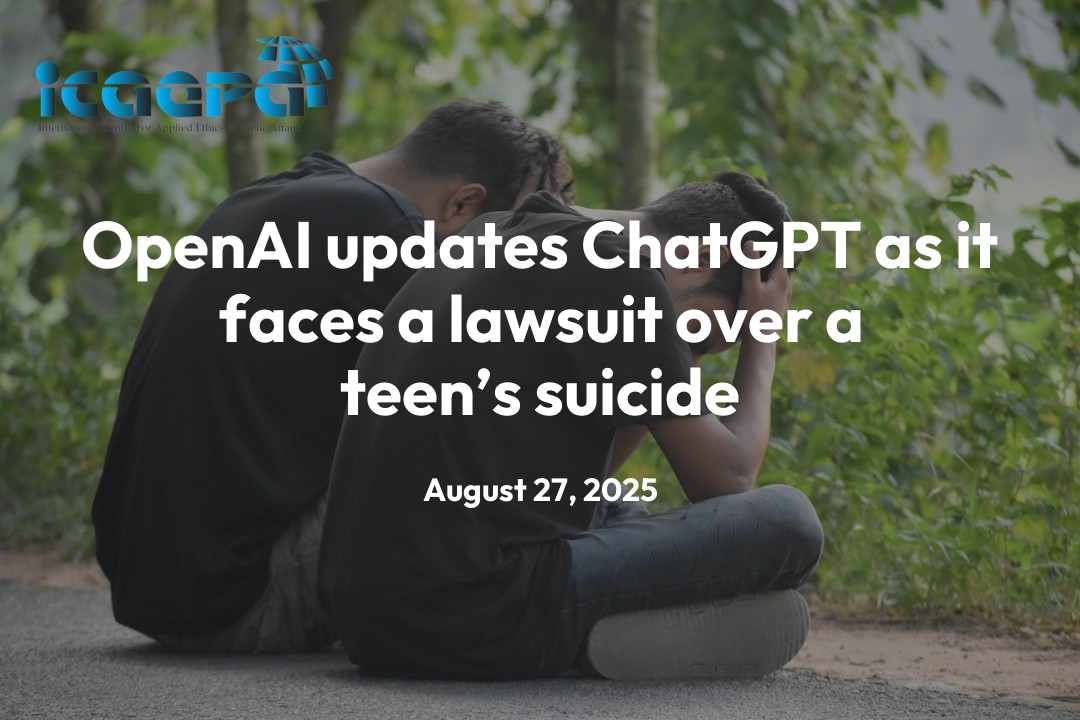
OpenAI’s recent announcement regarding updates to ChatGPT, aimed at improving its ability to recognize users in emotional or mental distress, raises significant ethical questions. This development comes in light of a lawsuit alleging that the chatbot played a role in a tragic incident involving a teen’s suicide. The statement from OpenAI reflects a deep concern for the implications of their technology, which they describe as “heartbreaking.”
What does this mean for the future of AI?
As we consider the responsibility of AI developers, we might ask ourselves: How can technology be designed to support individuals in crisis? What measures are necessary to ensure that AI tools like ChatGPT do not inadvertently cause harm? The balance between innovation and ethical responsibility is delicate, and OpenAI’s response invites us to reflect on our own expectations of AI technologies.
Engaging with the discourse
We encourage readers to reflect on these questions and share their perspectives. How do you think companies should navigate the complexities of mental health in relation to AI? Your thoughts are valuable as we collectively explore these urgent issues.