
This analysis is based on an article originally published by NPR.
Ethical Implications of Medical Assistance in Dying
The discourse surrounding medical assistance in dying (MAID) is intensifying as more states enact laws permitting terminally ill patients to choose the timing and manner of their death. This evolving legislative landscape raises critical ethical questions, particularly concerning the rights and protections of vulnerable populations, notably individuals with disabilities.
Current Legislative Landscape
As of June, New York has joined the ranks of states that have legalized MAID, becoming the 11th state to adopt such measures. This legislative trend reflects a significant shift in societal attitudes towards end-of-life choices, emphasizing personal autonomy. However, this shift has not been without controversy, as evidenced by legal challenges from disability advocacy groups opposing these laws.
Disability Rights and Legal Challenges
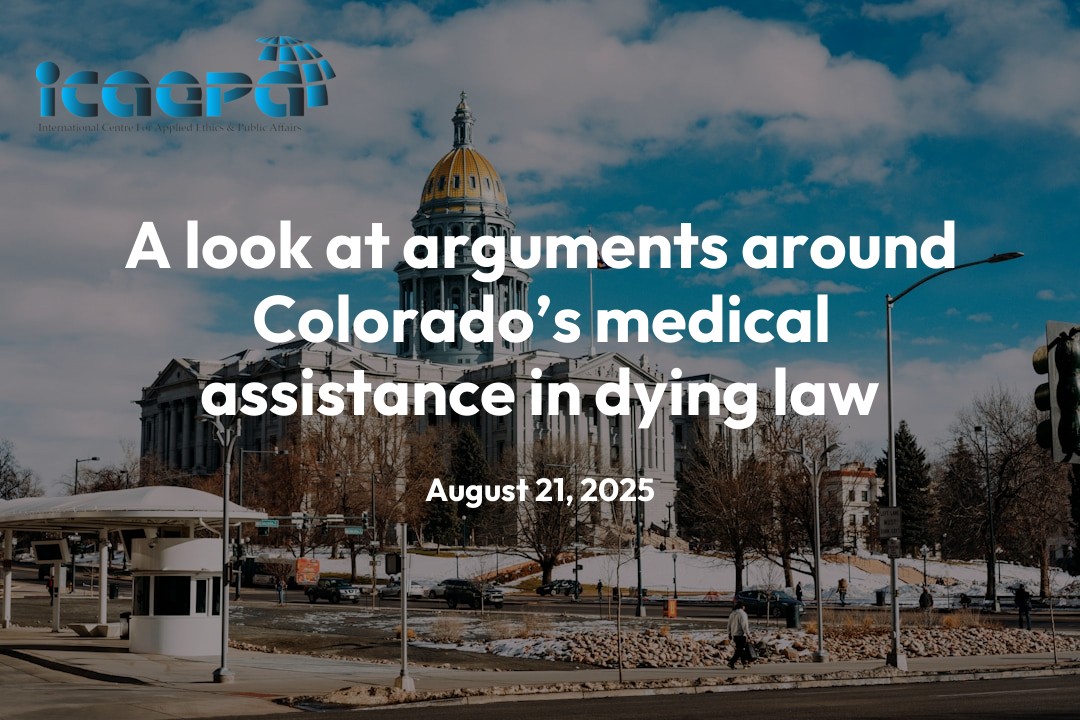
In tandem with New York’s legislative developments, a coalition representing disabled individuals has initiated legal action against Colorado’s MAID law, which has been in effect since 2016. The core of their argument posits that such laws may inadvertently convey a message that the lives of disabled individuals are less valuable, thus undermining their right to dignity and protection from coercion.
Critics argue that the implementation of MAID can create a slippery slope, where societal pressures could lead terminally ill patients, particularly those with disabilities, to feel compelled to opt for death as a solution to their suffering. This concern highlights the necessity for robust safeguards to ensure that decisions made under the purview of MAID are genuinely voluntary and informed.
Public Policy Considerations
As policymakers navigate the complexities of MAID legislation, it is imperative that they consider the ethical ramifications of their decisions. Public policy must balance the right to choose death with the obligation to protect the most vulnerable members of society. This necessitates a thorough examination of the potential for coercion and the adequacy of existing support systems for individuals facing terminal conditions.
Conclusion
The ongoing debates surrounding medical assistance in dying reflect broader societal values concerning autonomy, dignity, and the sanctity of life. As more states contemplate similar legislation, it is crucial that the perspectives of disabled individuals are included in these discussions. Ensuring that all voices are heard will be vital in shaping policies that respect the rights of all citizens while safeguarding against the potential risks associated with assisted dying.