
This analysis is based on an article originally published by NPR.
Neurosurgery in Sierra Leone: A Critical Examination
The current state of neurosurgery in Sierra Leone presents a profound ethical dilemma, particularly exemplified by the case of Abibu, a patient whose life was profoundly impacted by the availability of neurosurgical care. As articulated by Dr. Marco Lee, past president of the Western Neurosurgical Society, the absence of such care can lead to a “devastating end of life,” characterized by a gradual suffocation as bodily functions deteriorate.
The Burden of Disease
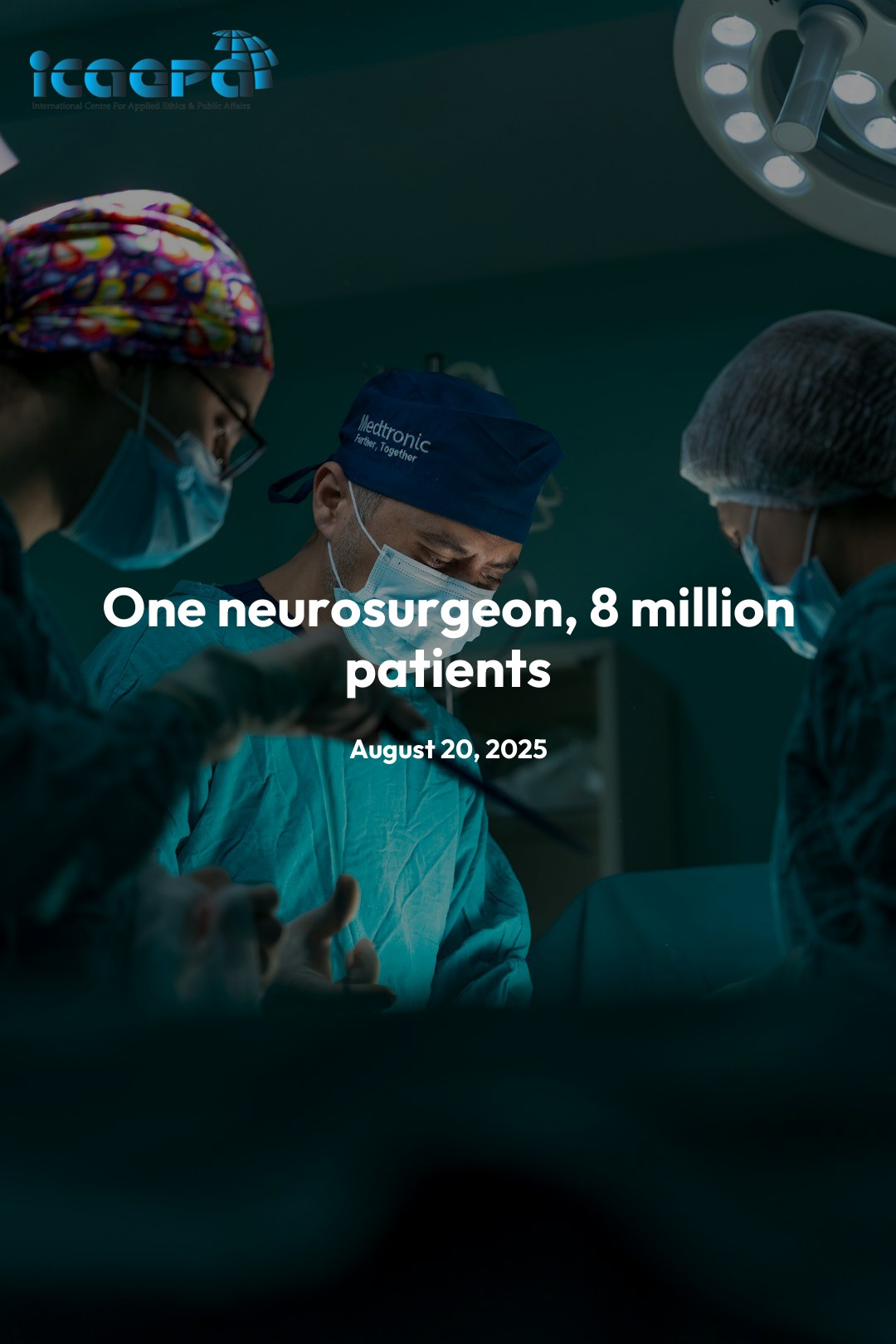
Dr. Alieu Kamara, the first and only neurosurgeon in the country, began his practice in January 2025, assuming the monumental responsibility of addressing the neurosurgical disease burden for a population of eight million. This includes a wide array of conditions such as traumatic injuries, spinal paralyses, seizures, and brain tumors. Such a scenario raises critical questions about health equity and the ethical responsibilities of medical professionals and policymakers in resource-limited settings.
Ethical Implications of Limited Access
The situation in Sierra Leone underscores the ethical implications of limited access to essential surgical services. With only one neurosurgeon for a vast population, the disparity in healthcare access highlights systemic failures and the urgent need for structured healthcare policies. This reality forces stakeholders to confront uncomfortable truths about the prioritization of health resources and the moral obligation to provide equitable care.
Public Affairs Dimensions
From a public affairs perspective, the challenges faced by Dr. Kamara and his patients illustrate the broader implications of healthcare infrastructure in developing nations. Policymakers must grapple with the ethical considerations of healthcare distribution and the allocation of resources. Comprehensive strategies are essential to develop sustainable healthcare systems that can adequately meet the needs of all citizens, particularly the most vulnerable.
Conclusion: A Call to Action
The story of Abibu serves as a poignant reminder of the disparities in global health and the ethical imperatives that arise from such inequities. As the sole neurosurgeon in Sierra Leone navigates the complexities of his role, it becomes increasingly clear that concerted efforts are required from various stakeholders to enhance healthcare delivery and ensure that no individual is left to suffer due to systemic shortcomings. The ethical dimensions of healthcare access demand unwavering attention and action to foster a more just and equitable health landscape.